

Quick answer
Not inherently. The Hāna Highway is a free public road, open 00:00–23:59 daily, but its roughly 620 curves and 59 bridges demand slow, undistracted driving rather than skill. Risk climbs with fatigue, rain-slick asphalt and any attempt to hurry. Departing between 06:30 and 08:00 keeps traffic thinnest, and drivers uneasy with narrow cliffside roads have guided alternatives.
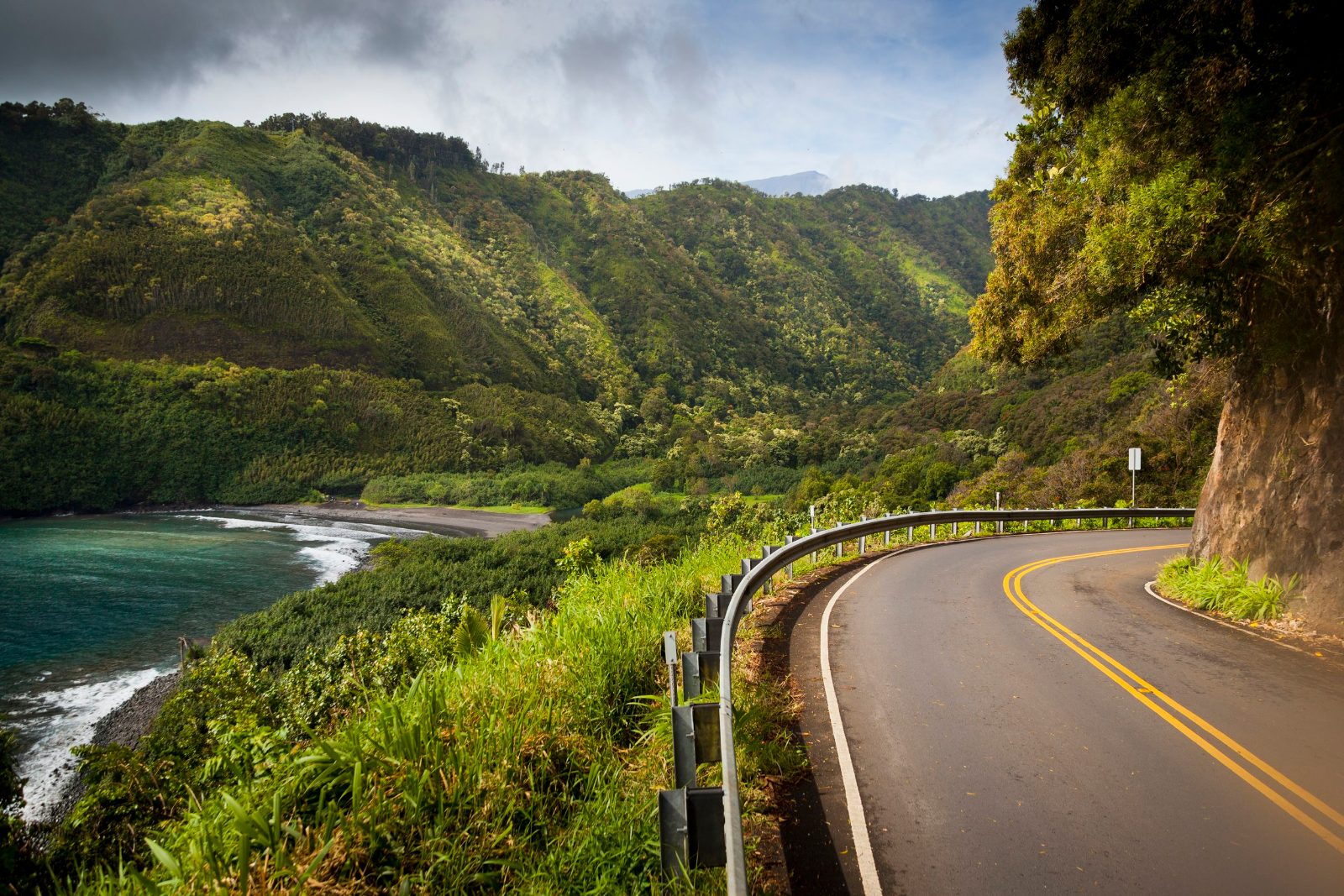
Hawaii Route 360 is a fully paved, state-maintained highway, yet in places its posted limit drops to ten miles per hour and the asphalt narrows to one lane across concrete bridges built in the 1910s. That contrast explains why the query is driving the road to hana dangerous ranks among the most-searched questions about the island. The corridor is neither remote nor neglected. It is simply slow, narrow and unforgiving of inattention. Roughly 620 curves and 59 bridges lie between Kahului and Hāna town, about fifty-two miles of coastline that no one should treat as a transit leg. Most of the difficulty concentrates past Twin Falls and through the Keʻanae Peninsula, where hairpin turns arrive without sightlines and oncoming traffic can appear mid-bridge. Around forty-six of those crossings carry a single lane, so progress depends on eye contact and courtesy rather than signage. Rain falls on this windward slope most days of the year, glazing the pavement and darkening the canopy. Mile markers, not street names, serve as the local reference system, and cell coverage thins between Keʻanae and Nāhiku. Beyond Hāna, the rougher sections toward Kaupō sit outside many rental agreements, which is a contractual exposure more than a physical one. The practical answer is conditional. Access itself costs nothing: the entrance fee is 0 USD, the highway at Hana Highway, Maui, Hawaii is open 00:00–23:59 seven days a week, and only individual stops such as Waiʻānapanapa State Park may charge separately. Setting out between 06:30 and 08:00 buys the emptiest asphalt and the widest margin for error, which matters more than any driving technique. Confident drivers who accept a crawling pace, yield readily at one-lane bridges and pull over for residents generally describe the Hāna Highway drive as tiring rather than hazardous. For everyone else — anxious passengers, carsick-prone children, visitors working against a tight schedule — the question is driving the road to hana dangerous has a simpler answer: the risk is largely optional. Guided ground tours cover the same waterfalls and sea cliffs with a local at the wheel, and a helicopter flight over the Hāna coast reaches the same rainforest gulches and shoreline without asking anyone to negotiate a blind curve above the Pacific. Choosing among those Maui coastal routes is a matter of temperament, not courage.
“The Hāna Highway is not a dangerous road so much as a slow one that punishes anybody in a hurry.”
Is Driving the Road to Hana Dangerous: Separating Reality from Myth
The Hana Highway is often perceived as perilous due to its winding nature and dramatic terrain, leading to frequent misconceptions about its safety. Understanding the reality of these road conditions helps drivers maintain appropriate perspective and caution.
MythThe road is too dangerous for average drivers.
FactThe route is a public highway that requires focus and patience rather than professional driving skills.
MythThere are no guardrails on most of the cliffs.
FactWhile some sections lack barriers, the road width and speed limits are designed to accommodate cautious travel.
MythDriving the entire route is a life-threatening activity.
FactThe road is safe for attentive motorists who observe traffic rules and respect the challenging, winding layout.
Common Mistakes When You Wonder Is Driving the Road to Hana Dangerous
Most trouble on the Hana Highway comes from driver decisions, not the road itself. These are the errors that turn a manageable drive into a risky one, and what to do instead.
Treating the drive as a race to Hana
Hana town is not the destination — the stops are. Budget the full day so you are never tempted to make up time on blind curves.
Driving the highway after dark
The road has no lighting, unguarded drop-offs and narrow one-lane bridges. Turn around while there is still daylight, or stay overnight in Hana rather than driving back at night.
Braking or stopping in the middle of the road
Sudden stops for a waterfall view cause most rear-end collisions here. Only stop in a marked pullout, fully off the pavement, and never on a bridge or blind bend.
Driving while filming or looking at the scenery
The driver watches the road; passengers handle cameras and navigation. Pull over completely if you want to look at something.
Entering a one-lane bridge without checking
Stop, look for oncoming traffic and yield if a vehicle is already on or approaching the bridge. Two cars committed at once means one has to reverse on a narrow span.
Refusing to let faster local traffic pass
Residents use this road daily. Use the next pullout to let a queue behind you go by instead of being tailgated through curves.
Best Time to Visit to Ensure Is Driving the Road to Hana Dangerous Fears are Minimized
The best arrival window is 06:30–08:00 to minimize safety risks associated with traffic congestion and bus crowding. Starting early ensures you navigate the narrow passages with fewer vehicles and maximizes daylight hours for your journey.
Weekday mornings
Minimal traffic and limited tour buses—
Early starts reduce the density of vehicles on narrow, winding sections. This lower volume decreases the need for frequent reversing or tight maneuvering near cliffs.
April and May
Moderate visitor volumeMild temperatures around 75–80°F
Spring months offer stable weather conditions and daylight longevity. Predictable patterns facilitate safer driving compared to winter months.
September and October
Lower seasonal visitor densityWarm conditions between 80–85°F
Reduced tourism numbers during these months mean less road congestion. This period allows for a more controlled pace along the Hana Highway.
Verdict: For optimal safety, prioritize arrivals between 06:30–08:00 on weekdays during the months of April, May, September, or October.
Navigating Safely: Is Driving the Road to Hana Dangerous for Your Rental Car
The Hana Highway (Hawaii Route 360) is located on the island of Maui and serves as the primary artery connecting the town of Paia to Hana. Drivers typically access the route via the Hana Highway from Kahului.
Hana Highway (Route 360) from Kahului
Hana Highway from Paia
Checklist to Make Sure Is Driving the Road to Hana Dangerous Concerns are Addressed
Most of the risk on the Hana Highway is handled before you turn the key, so work through these steps in order from the week ahead to the morning of departure.
-
Reserve permits for gated stops in advance — Some sites along the route require timed entry booked days ahead, even though the road itself is free at 0 USD.
-
Download offline maps and the audio guide — Cell coverage drops out for long stretches past Twin Falls.
-
Confirm your rental agreement covers the route — Some contracts restrict driving beyond specific points on the Hana Highway.
-
Check tyres, brakes and spare wheel — Roughly 600 curves and 50 one-lane bridges put sustained load on both.
-
Fill the fuel tank in Paia — Fuel stops are sparse and expensive once you leave town.
-
Pack water, snacks, motion sickness tablets — Restaurants are limited and the constant turns affect many passengers.
-
Bring cash in small bills — Roadside fruit stands and some parking areas take cash only.
-
Leave your accommodation between 06:30 and 08:00 — Early departure avoids peak traffic, bus crowding, and ensures sufficient time for scenic stops.
Check availability
Frequently Asked Questions: Is Driving the Road to Hana Dangerous
Everything you need to know about is driving the road to hana dangerous